
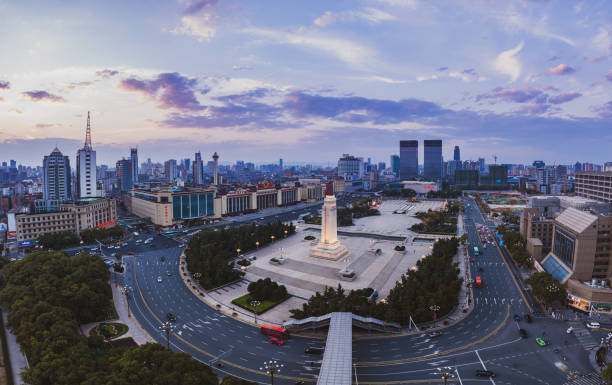
The increase in tourist activities in Mexican cities is affecting the forex trading activity. As locations with a high flow of people, the number of currency exchange services tends to increase and it has a direct effect on the amount of trading done within the local platforms. Brokers keep an eye on these trends and change the spread and provision of liquidity to suit times of increased action. This provides traders with short term capitalization on the currency fluctuations caused by the tourist expenditure and the inflow of foreign cash.
Tourist fluctuations also determine the trading strategies. The high seasonal periods such as holidays, festivals or other cultural activities are usually accompanied by the high demand of currency. Brokers offer analytical software and past data to assist clients to get a feel of such fluctuations. The knowledge of how the influx of tourists affects the peso, other currencies will enable traders to schedule their entries and exit better, refining the accuracy in their trading plans.
Technology is one of the critical elements of trading opportunities based on the tourist industry. Traders are able to respond instantly to any abrupt changes in currency flows by using platforms which are fitted with real time monitoring systems, automated alerts and order execution systems. Temporary spikes in activity are being optimized to enable brokers to comfortably handle them so that clients get the chance to transact business in an efficient manner. Mobile applications also enable the traders to seize opportunities even when they are not by their major trading stations.
The educational services make the traders aware of the relationship between tourism and currency markets. Through the webinars, tutorials, and detailed market reports, brokers demonstrate how a demand of the tourism type may impact on the exchange rates. Clients get to know how to change position sizing, leverage and risk management strategies based on foreseeable changes. Equating local economic trends and trading decisions, brokers assist clients to sail through the volatile times with reduced fear.
Some tailor-fitted services are also being provided to the customers in tourist-prone areas. The alerts on seasonal currency, low-latency execution in high volume times, and local customer services, known of the regional economic trends are offered by a forex broker in Mexico. These customized solutions allow traders to make relevant decisions on the fly by taking advantage of trends generated by the tourist industry as well as enhancing customer loyalty in the long term.
This is due to insights of the trading community that are considered to play a significant role in tourism-influenced strategies. The traders exchange information regarding hotel reservation, local expenditure habits or the number of foreigners visiting and this could have an impact on currency demand. Brokers make forums and discussion groups where the clients can share the strategies and learn with each other. This is the intelligence of the crowd, which is the supplement of the formal analytics and the general knowledge of the market.
Risk management has been among the highest priorities in the event of tourist induced volatility. The spikes in foreign expenditures may cause acute and temporary changes in the currency. Brokers support their clients through the fluctuations by offering them aids like stop-loss orders, margin monitoring and scenario analysis. Trainers should educate traders to avoid losses by predicting and responding to movements caused by tourism and enhancing confidence.
The local economic factors show that tourism is quite an impactful factor on the activity of the forex broker in Mexico. Through providing customized tools, instructional support, and reactive forums, brokers assist clients to seize the opportunities generated by inflows of tourists. When the insights are introduced into trading strategies, Mexican traders will be able to be active participants in the markets determined by the impact of local tourism.