
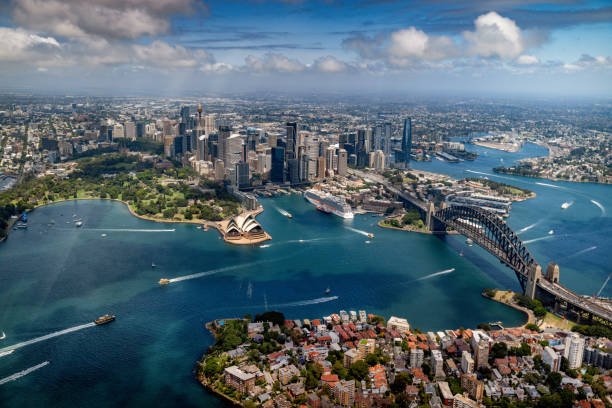
Sydney is not a compact city. It stretches. Harbour to suburbs, beaches to business districts. That scale is what catches many people off guard. They book a hotel in Sydney thinking everything sits within reach, then spend more time moving between places than actually enjoying them.
The issue is not a lack of options. It is too many. Each area offers a different pace, and choosing the wrong one can shape the entire stay.
The Problem With Staying “In The Middle Of Everything”
The Sydney CBD looks like the obvious choice. It places you close to landmarks, transport, and major attractions. For short visits or packed itineraries, it works.
But it also comes with trade-offs. Constant foot traffic. Higher prices. Limited space. The energy is high from morning to late evening. For some, that is part of the appeal. For others, it becomes exhausting.
Staying in the centre means you are always in motion, even when you are not doing anything.
That is why more travellers are starting to question the default choice of a central hotel in Sydney. Convenience does not always mean comfort.
Understanding How Sydney Actually Moves
Sydney is built around movement. Trains, ferries, buses, and light rail connect the city well, but distances still matter. Where you stay determines how your day flows.
For example, areas like the CBD and Darling Harbour are ideal for quick access to attractions and day trips . But once you step outside those zones, the pace changes.
Western Sydney, particularly Parramatta, has been gaining attention as an alternative base. It is about 25 km from the CBD, with travel times around 30 minutes by train depending on connections . That distance creates a different experience. Less crowded. More space. Still connected.
This is where the idea of avoiding the rush starts to make sense.
The Rise Of Staying Just Outside The Centre
There is a noticeable shift happening. Travellers are no longer fixated on being in the middle of everything. Instead, they are choosing areas that balance access with calm.
Parramatta is one example. It offers a developed urban environment without the intensity of the CBD. It has its own dining, shopping, and business districts, making it more than just a fallback option. Some travellers even point out that it can be more cost-effective while still providing easy access to the city .
Other areas like Surry Hills or Potts Point offer a different kind of balance. They sit close to the city but feel more local, with a stronger neighbourhood identity and less constant movement .
Choosing a hotel in Sydney is no longer just about proximity. It is about choosing the kind of environment you want to return to after a long day.
Choosing Based On Purpose, Not Assumption
There is no single best place to stay. It depends on what the trip requires.
If the goal is to see major attractions quickly, central areas still make sense. If the goal is to balance work and rest, or to experience Sydney without constant pressure, then alternatives become more appealing.
A well-chosen hotel in Sydney should support how you plan to move, not complicate it.
A More Considered Way To Stay
Sydney rewards planning. Not in a strict sense, but in understanding how the city flows. Choosing where to stay is part of that.
The difference between a rushed trip and a well-paced one often comes down to location. Not how close you are to everything, but how easily you can step away from it.
Avoiding the rush does not mean missing out. It means choosing when to be part of it.
