
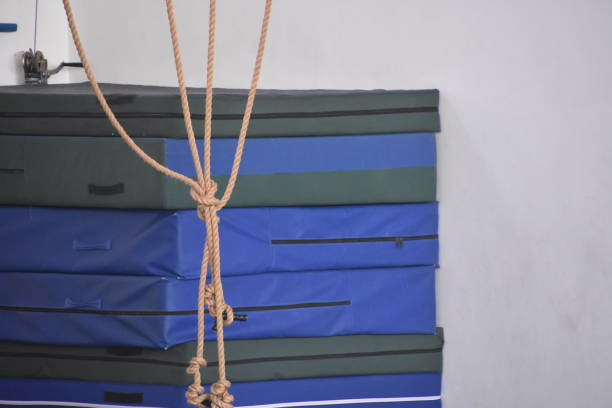
A padded wall can look like a simple facility upgrade, but the decision involves more than covering a hard surface. The useful starting point is how people actually move through the space. Different sports create different approach speeds, collision angles and impact zones, so the installation should be planned around the activity rather than copied from another venue.
1. Identify the realistic contact zones
Facilities should map where participants are most likely to reach a wall during normal play, drills or loss of balance. Corners, columns, door returns and equipment near the boundary may deserve as much attention as the main wall face. Wall padding should be considered in relation to the full movement area, including places where someone could be pushed, carried by momentum or forced off line.
2. Review the distance from play
A wall several metres from an activity presents a different exposure from one immediately beside a court, mat area or run-off zone. Operators should measure available clearance and consider the speed of participants when they reach the boundary. Where space is tight, padding may be one control, but it should not be used to justify an unsuitable layout if the activity needs more room.
3. Choose a suitable height and coverage
The likely point of contact varies between sports and age groups. A low panel may address some falls but leave shoulders or heads exposed during faster collisions. Conversely, full-height coverage may be unnecessary in areas where contact is limited to ground-level movement. The facility should base dimensions on its users and activities, then compare those needs with product specifications and relevant sporting guidance.
4. Look closely at firmness and energy absorption
Padding needs enough resilience to reduce the severity of impact without creating an unstable or excessively soft surface. Thickness alone does not describe performance because foam type, density, backing and cover construction also affect how a panel behaves. Wall padding should therefore be selected using manufacturer information about intended use rather than judged only by appearance.
5. Check how panels will be fixed
An impact surface is only useful if it stays in position. The wall substrate, fixing method and panel edges should be suitable for the expected loads. Facilities should also consider whether fixings, trims or joins could create hard contact points. Installation should follow supplier instructions, and specialist advice may be needed where walls are uneven or contain services, doors or other obstacles.
6. Consider fire, access and building requirements
Padding can affect more than sport. It may sit near exits, switches, electrical equipment, ventilation or fire-safety systems. Operators should check applicable building, fire and accessibility requirements before finalising the layout. Requirements can vary by location and building type, so a sports-product supplier should not be treated as the only source of compliance advice.
7. Plan for inspection and cleaning
Busy facilities need a simple way to inspect panels. Loose fixings, torn covers, exposed foam, damaged seams or panels that have shifted should be addressed promptly. Cleaning methods also matter in shared spaces. The chosen surface should tolerate the facility’s hygiene routine without becoming slippery, brittle or degraded.
8. Reassess when the programme changes
A room originally used for low-speed training may later host indoor football, combat sports or group activities with different movement patterns. New equipment can also reduce clearances. Wall padding that suited the original programme may no longer cover the main impact zones after those changes.
A good installation is therefore based on movement, environment and maintenance, not simply on the length of wall available. Facilities should combine product information with a site-specific risk review and any applicable sport or building guidance. That approach helps ensure the padded area supports the way the venue is actually used.