
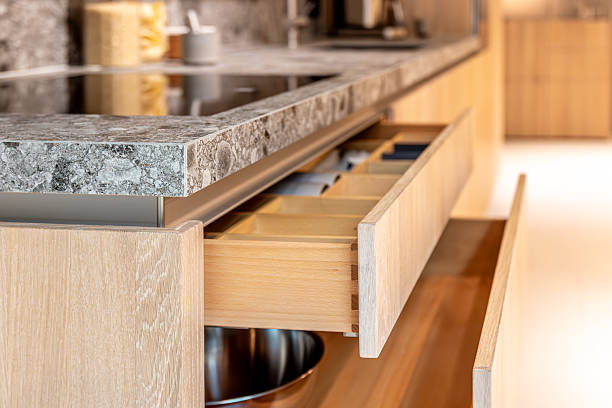
A kitchen project can start with a photo saved on a phone, but that image rarely explains the real brief. It may show a surface, a colour, or a style, yet it cannot show who leaves early, who cooks on Sundays, who hates clutter, or who wants the room to feel calm after work. For homeowners in Ireland, where old houses, new extensions, and family routines often meet in the same property, the first meeting may matter more than the first sample.
What do bespoke kitchen designers hear before they draw anything? They hear habits, small tensions, and hopes that the client may not know how to name. One person may want a clean room because their current home feels busy. Another may ask for a large island but really wants a place where adult children will still sit and talk. A third may keep saying “timeless” because they fear making an expensive mistake.
The early conversation should not feel like a sales form. It should feel like careful reading. A designer may ask who uses the room at different times, how often guests come, what items the client wants hidden, and which parts of the present home cause irritation. None of these questions sound grand, but they can prevent a room from being planned around the wrong dream.
There is a human reason for this. People often borrow design language from magazines, friends, or social media because it gives them words. They may say they want stone, pale timber, brass, or clean lines. Those choices can be valid, but they are still clues rather than conclusions. A good brief looks under the words and asks what the client is trying to feel when the room is complete.
This is where bespoke kitchen designers can offer more than taste. They can slow the process down enough to separate desire from habit, and habit from pressure. A client may think they want a dramatic feature because they have seen it often. After a better discussion, they may discover that they prefer order, warmth, privacy, or ease. The change can save money as well as regret.
The conversation can also reveal conflict inside a household. One person may care about cooking. Another may care about cleaning. Someone else may care about how the room looks from the garden door. These wishes do not need to become arguments if they are named early. A designer can turn them into priorities, trade-offs, and clearer choices.
For Irish homeowners planning a high-value room, this stage may feel slow, especially when they are eager to see drawings. Yet speed at the start can create trouble later. A rushed brief may lead to beautiful plans that solve the wrong problem. When that happens, the client may keep changing details because the deeper issue has not been found.
There is also the matter of trust. A client who feels heard may become braver, not more difficult. They can accept expert advice because they know it is not being pushed at them. That trust can make later choices cleaner, especially when budgets, building limits, and personal taste pull in different directions.
The best early meetings often leave the client feeling slightly surprised. They came to talk about a kitchen and ended up talking about mornings, visitors, work, family, light, mess, and the kind of home they want to keep. That does not make the process sentimental. It makes it useful for real daily life. A room built from real understanding has a better chance of feeling settled.
Before the marble, there is a conversation because materials only answer after the question is clear. Bespoke kitchen designers who listen well can turn vague wishes into a room that feels personal without being theatrical. The most valuable detail may not be visible on day one. It may be the quiet sense that the home has been understood before anything was chosen.